
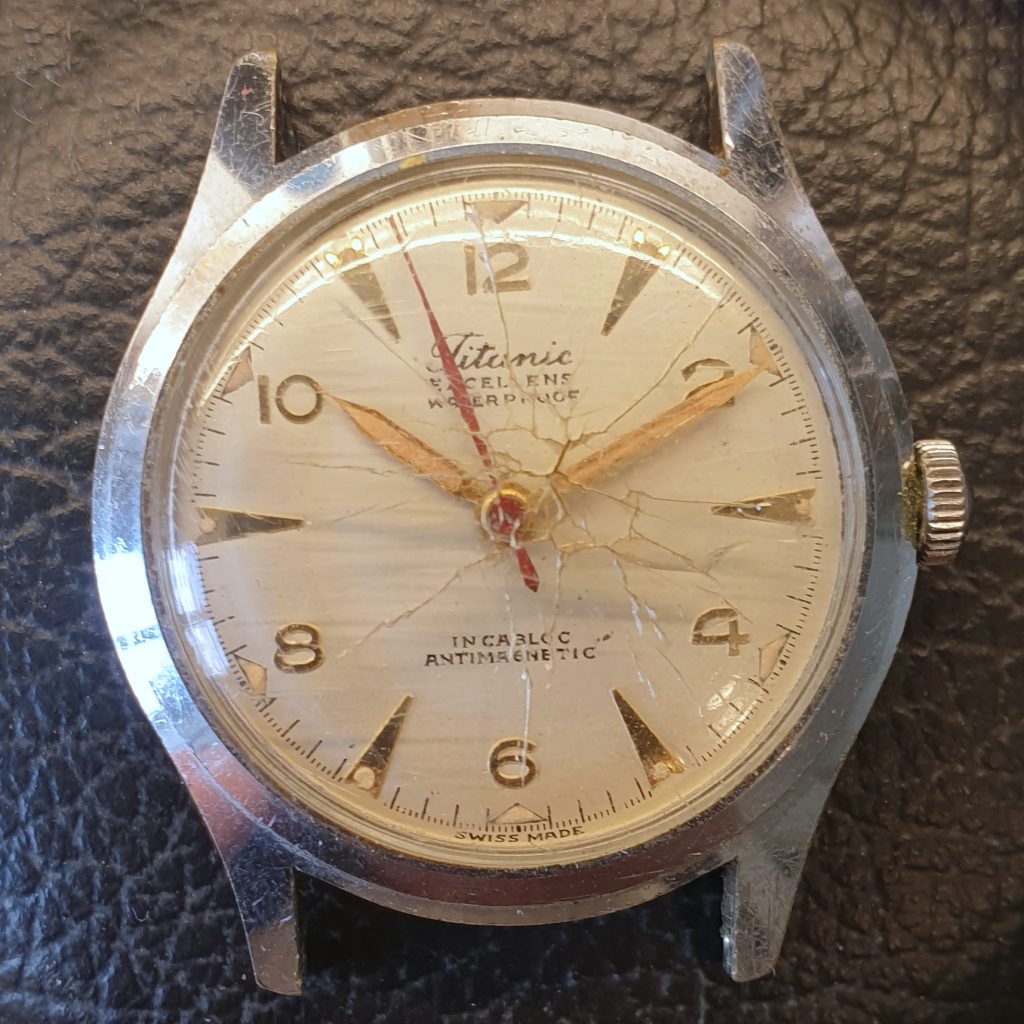
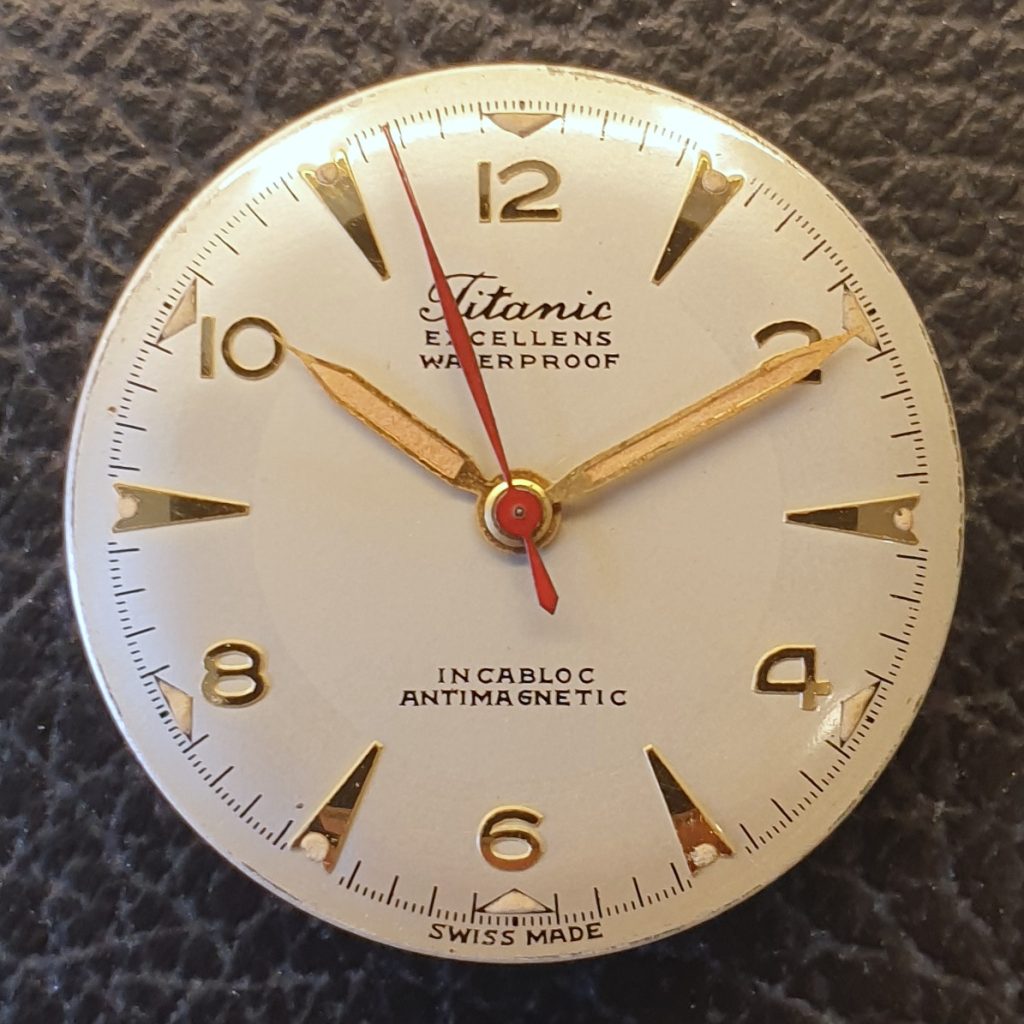
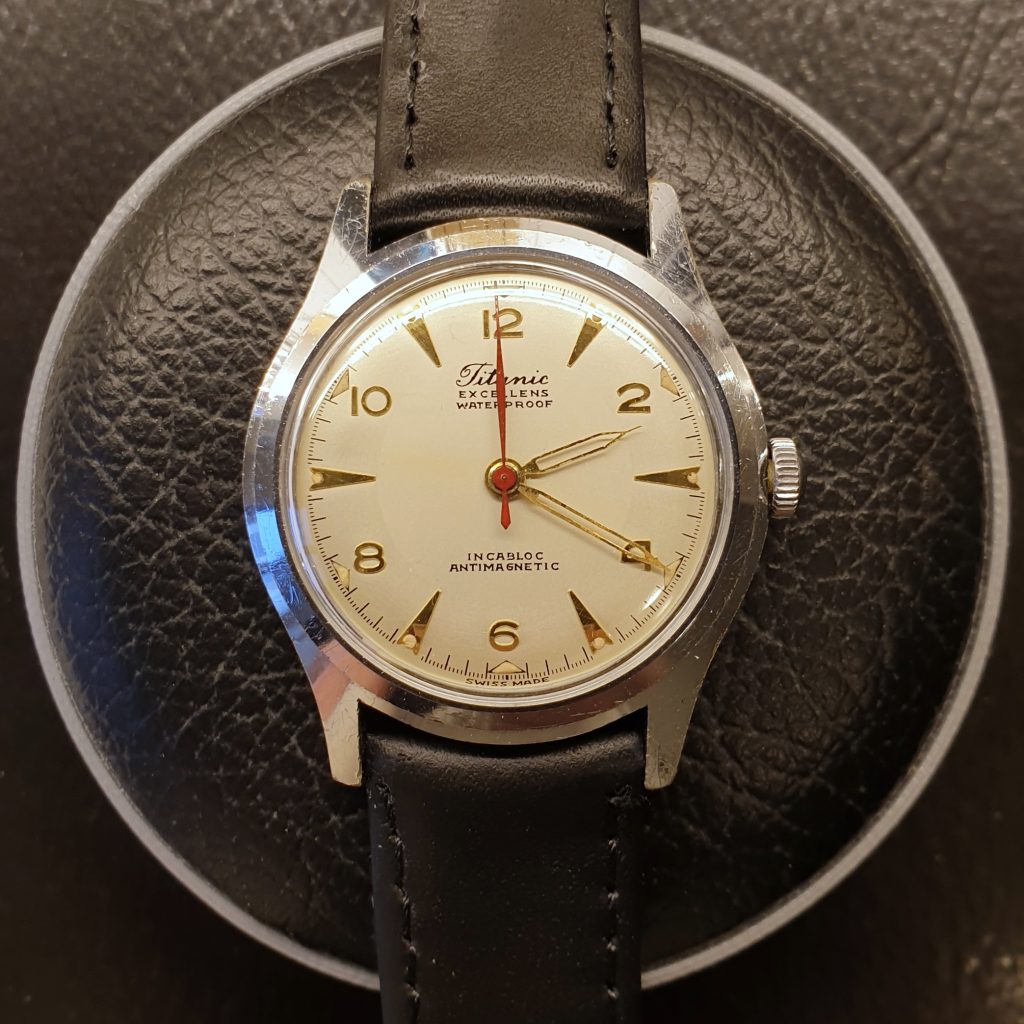
You just have to wonder what they were thinking when they designed this watch with that wording on the dial. Honestly, it feels a little like mockery. And no, the watch isn’t older than the ship. It dates from the 1950s, so it’s about 40 years younger. But it is beautiful. Every bit as elegant as the ship was when she left the port of Southampton.
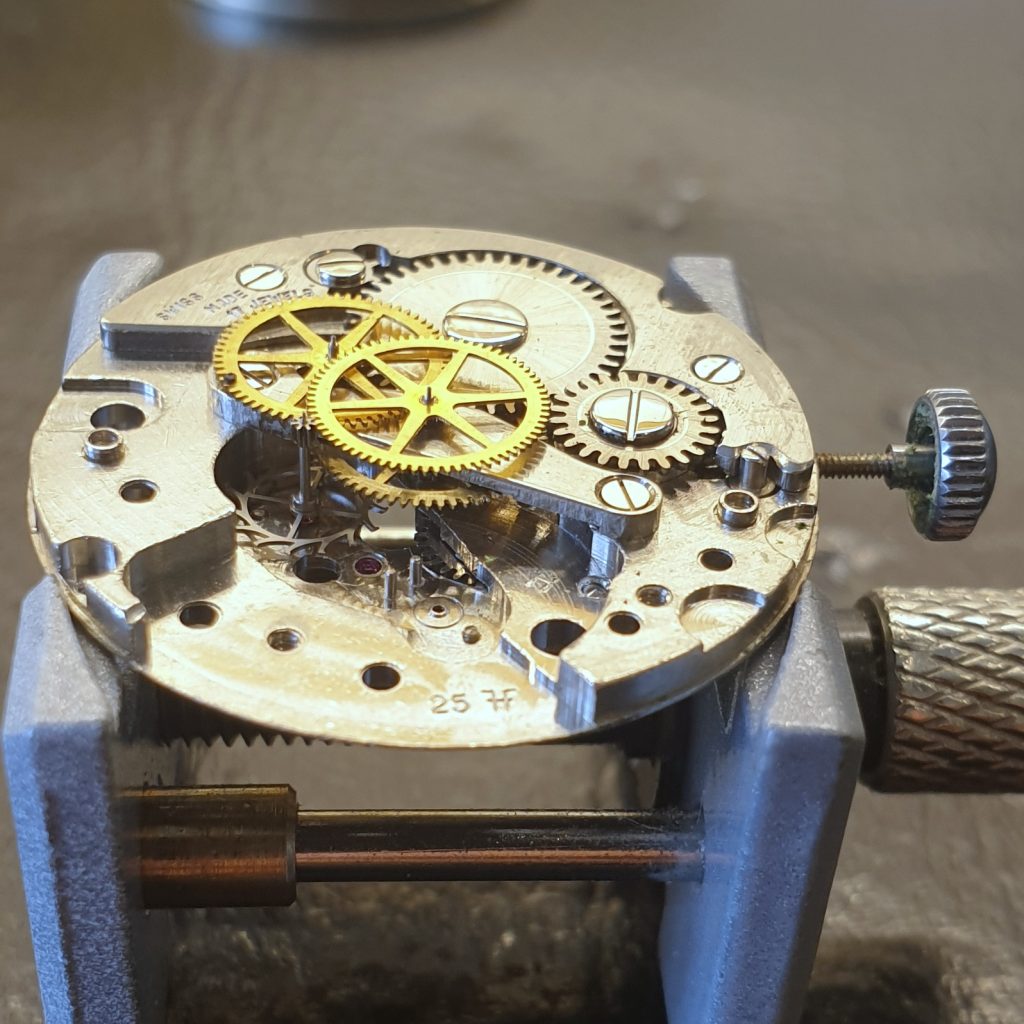
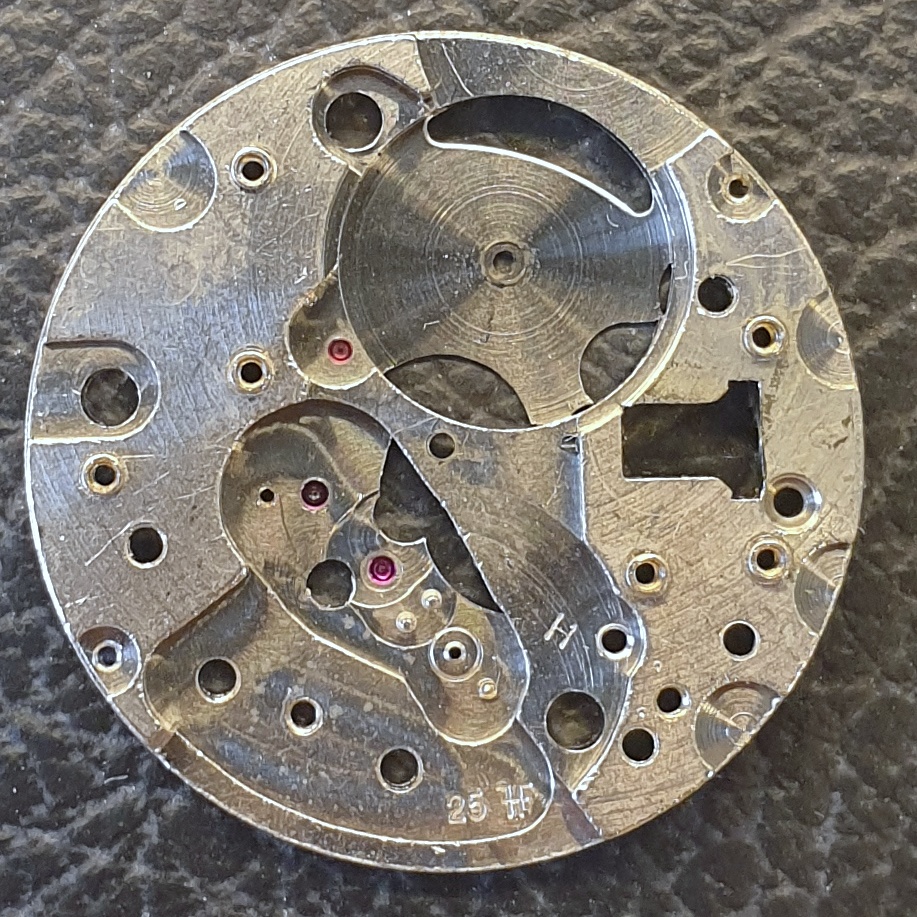
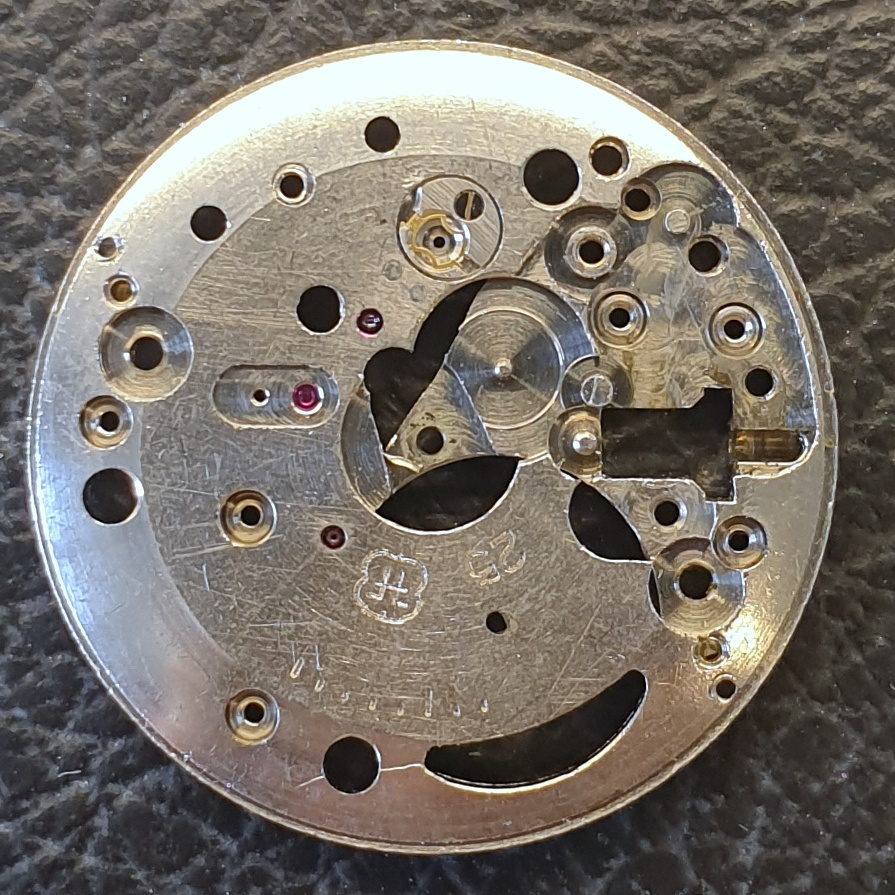
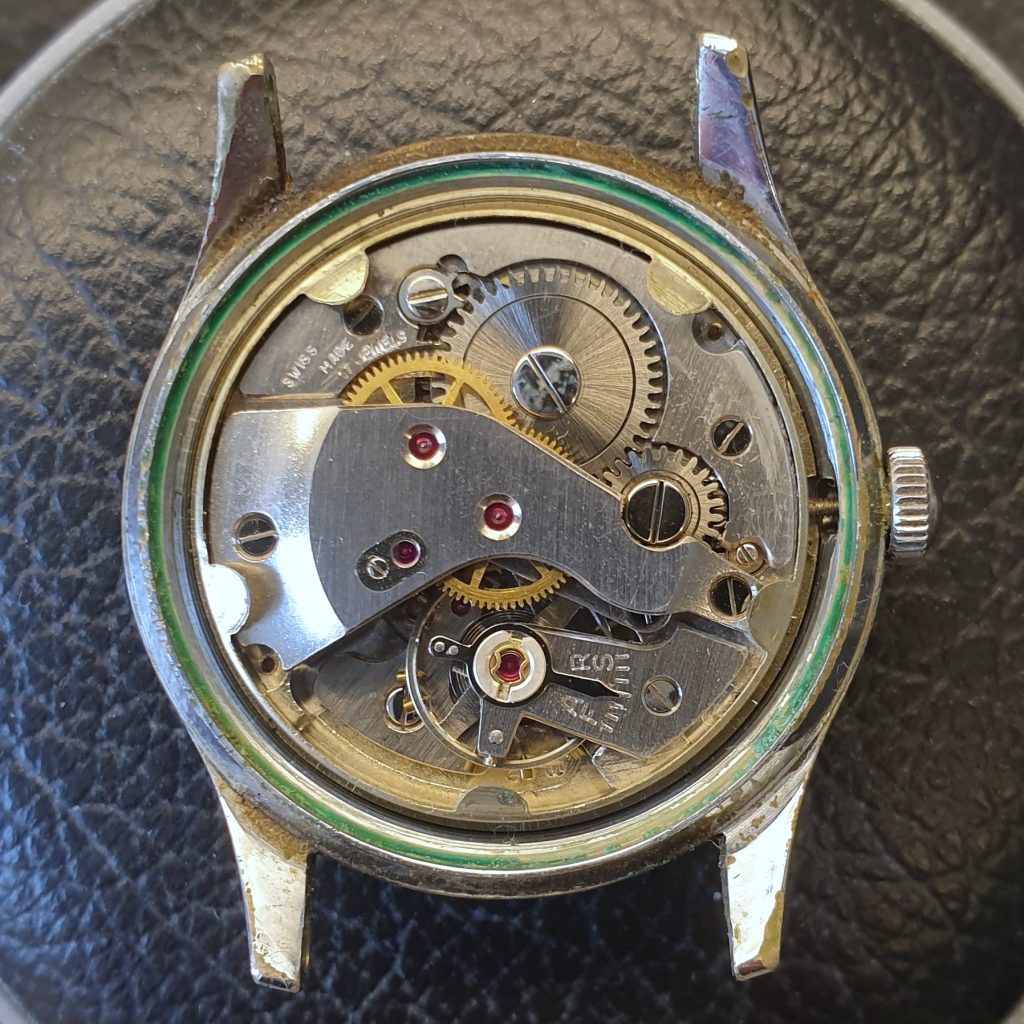
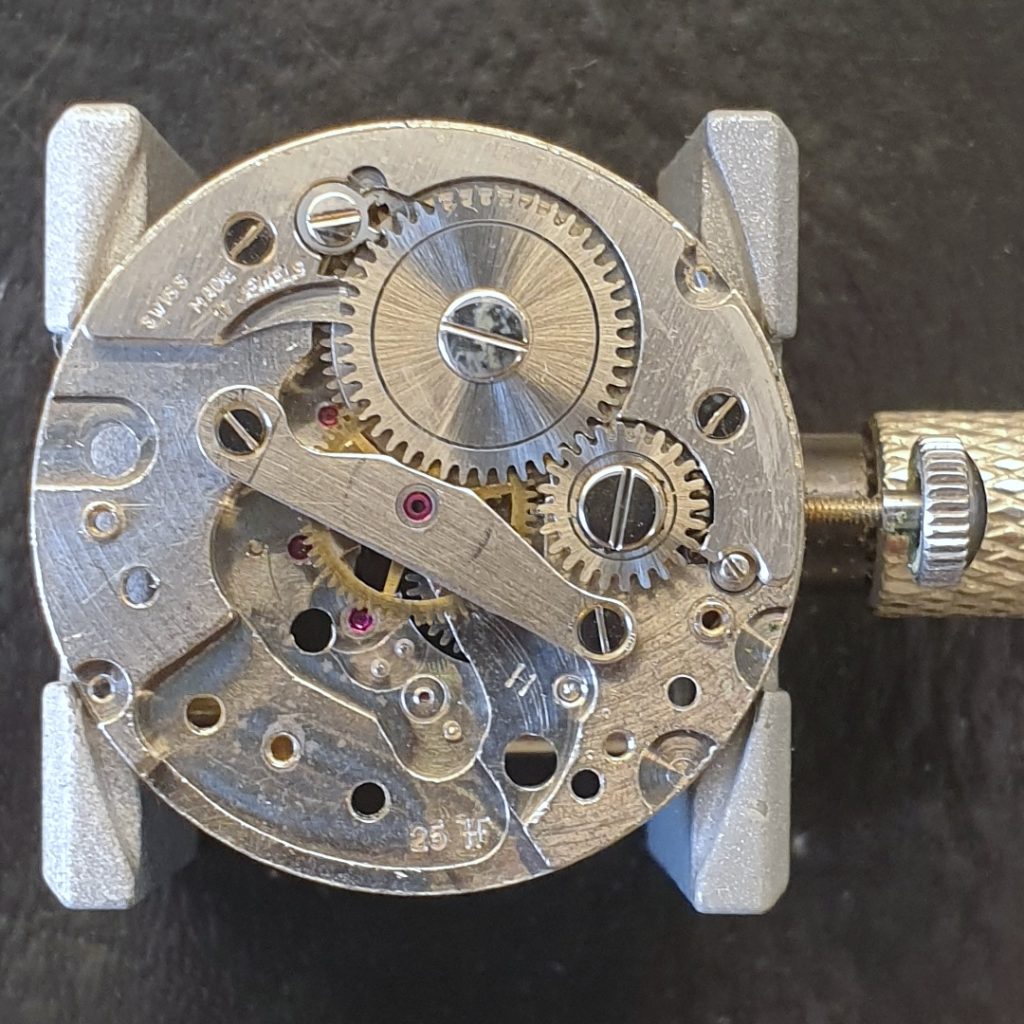
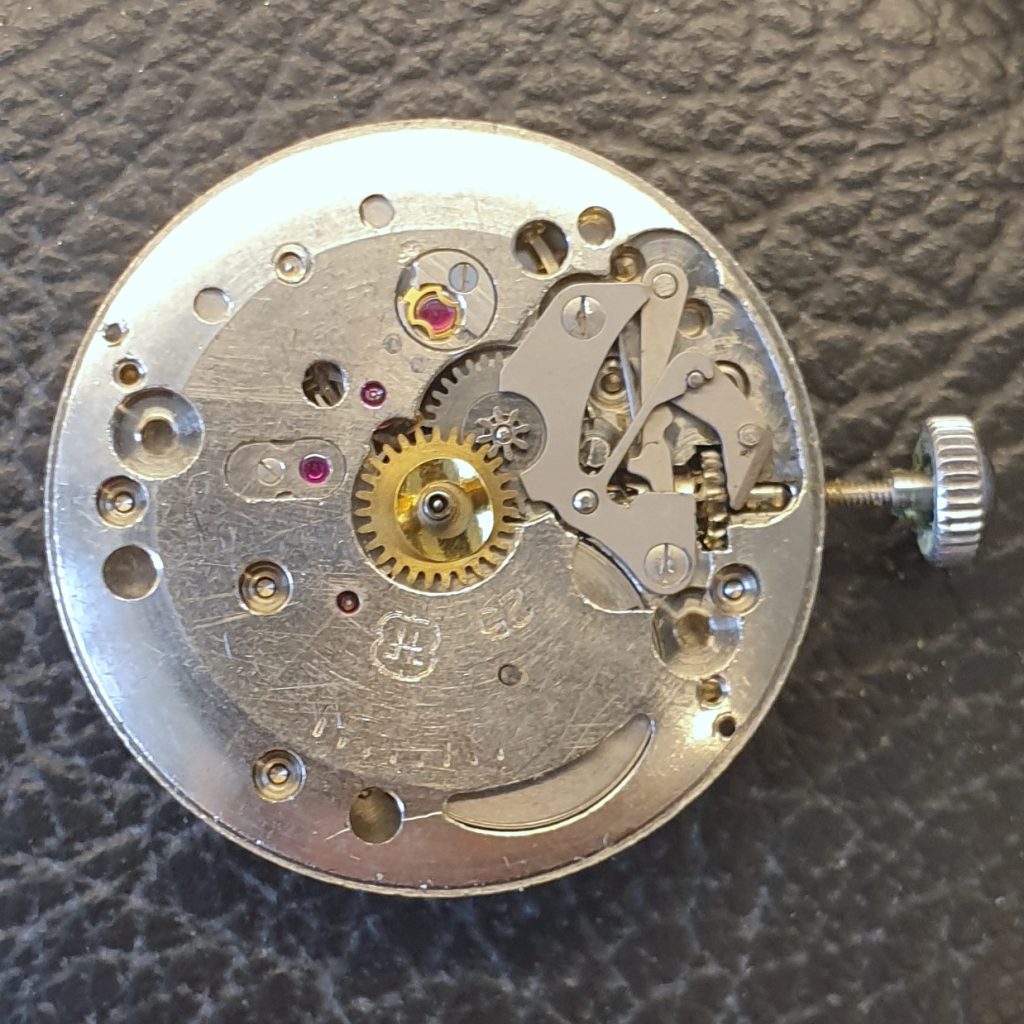
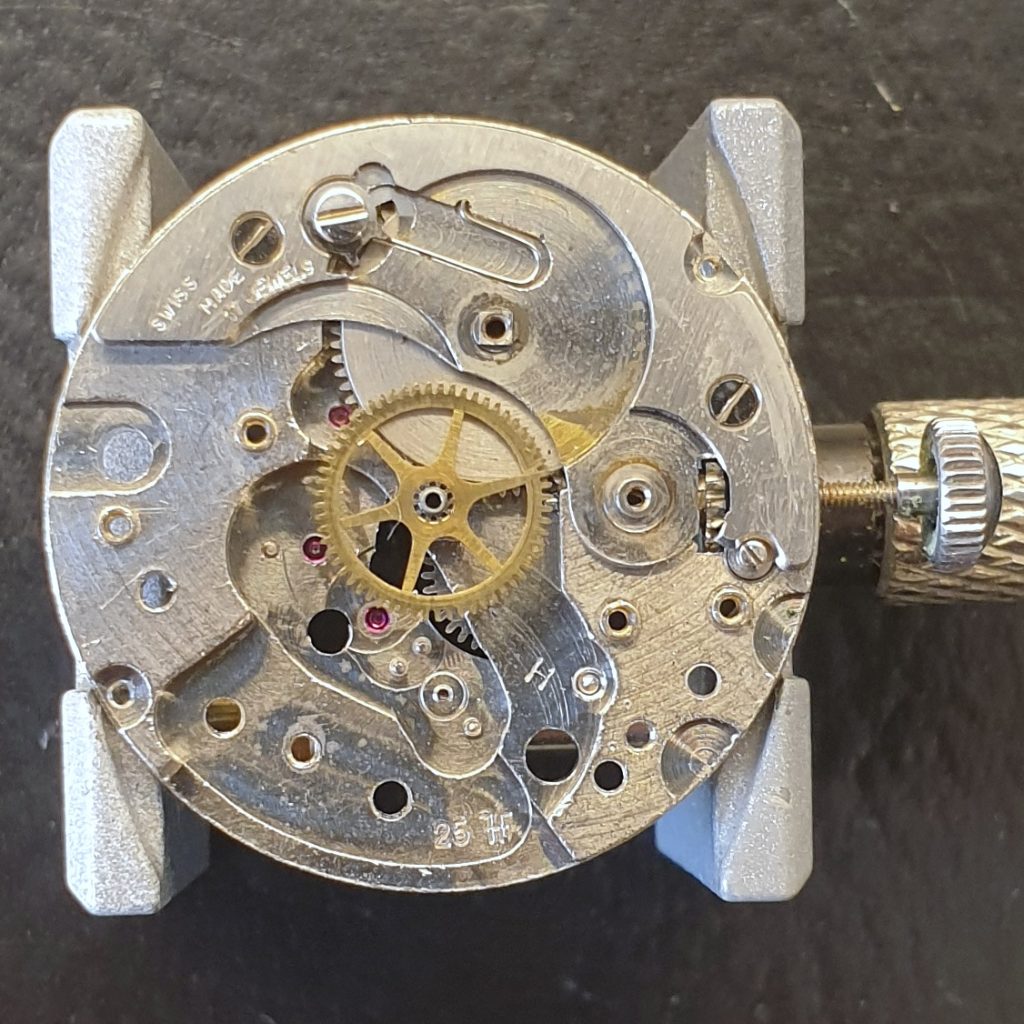
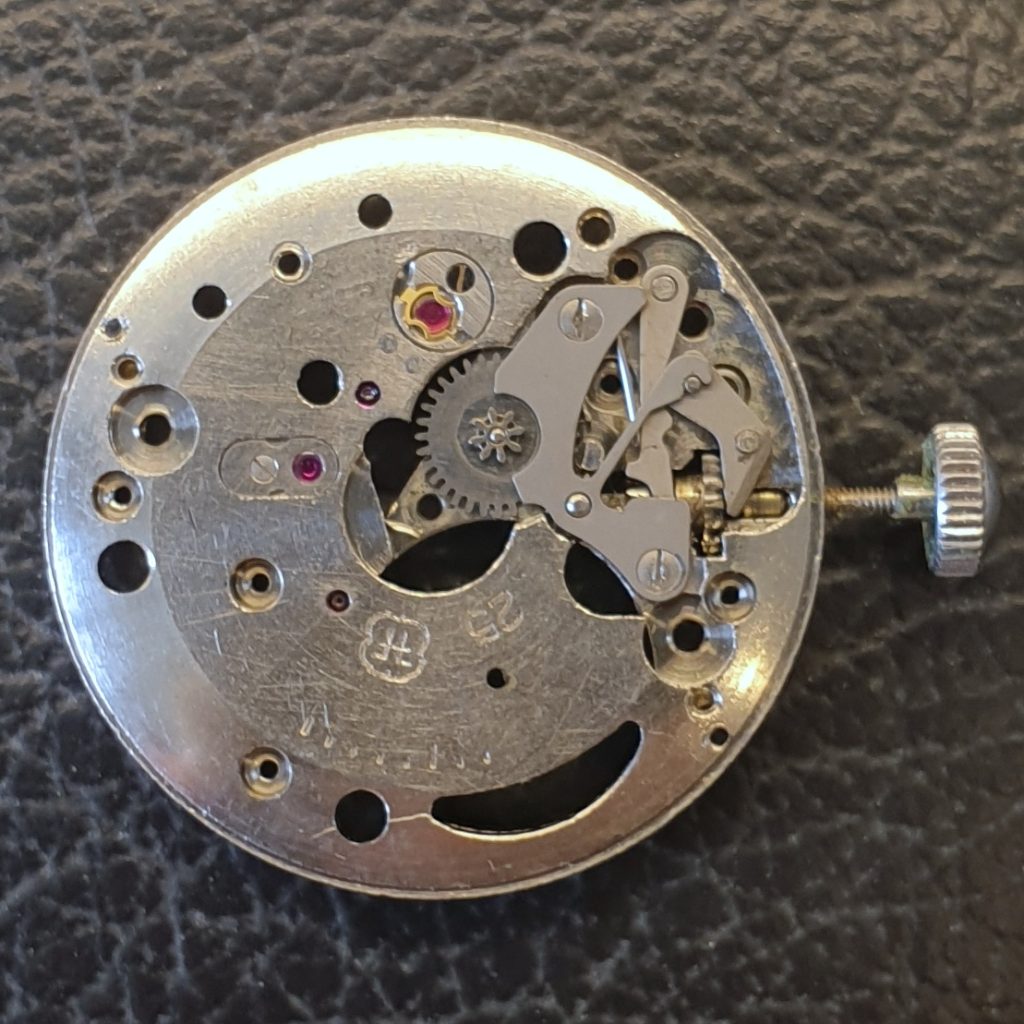
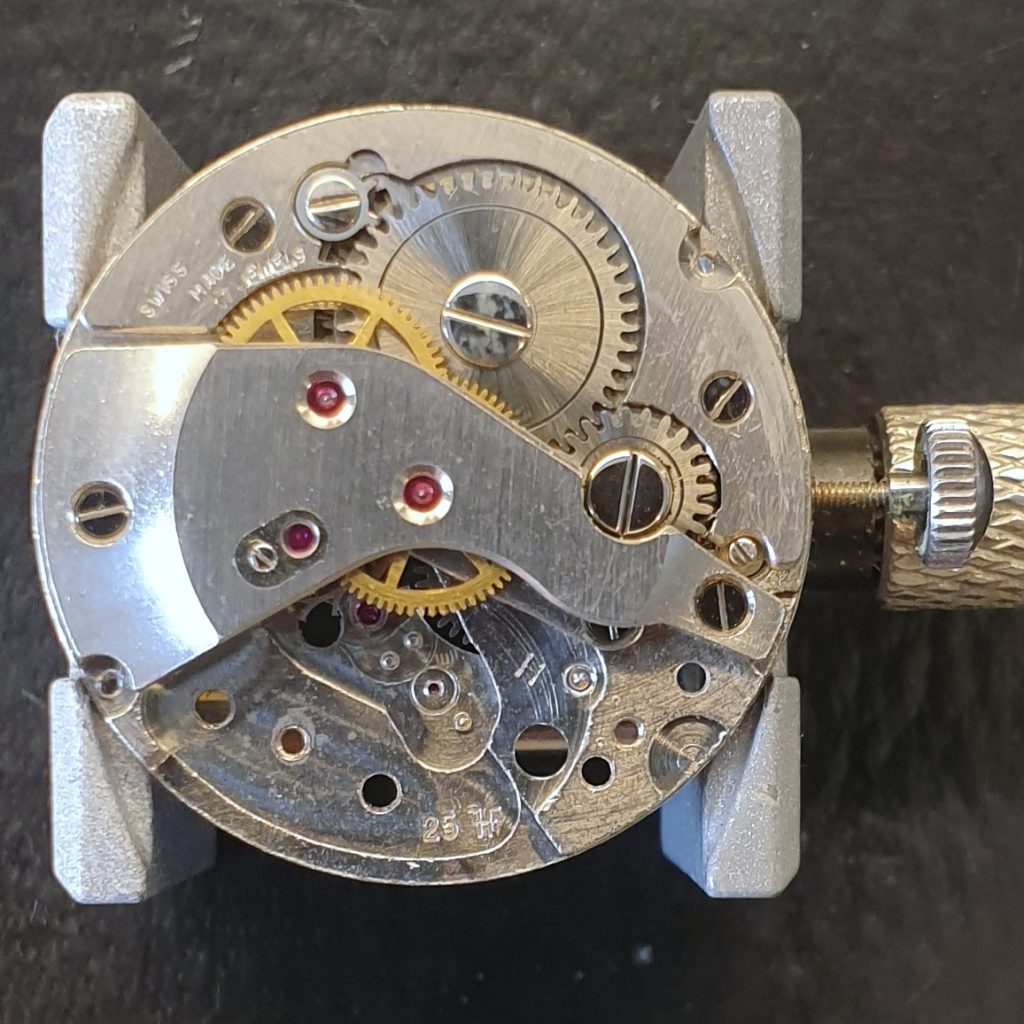
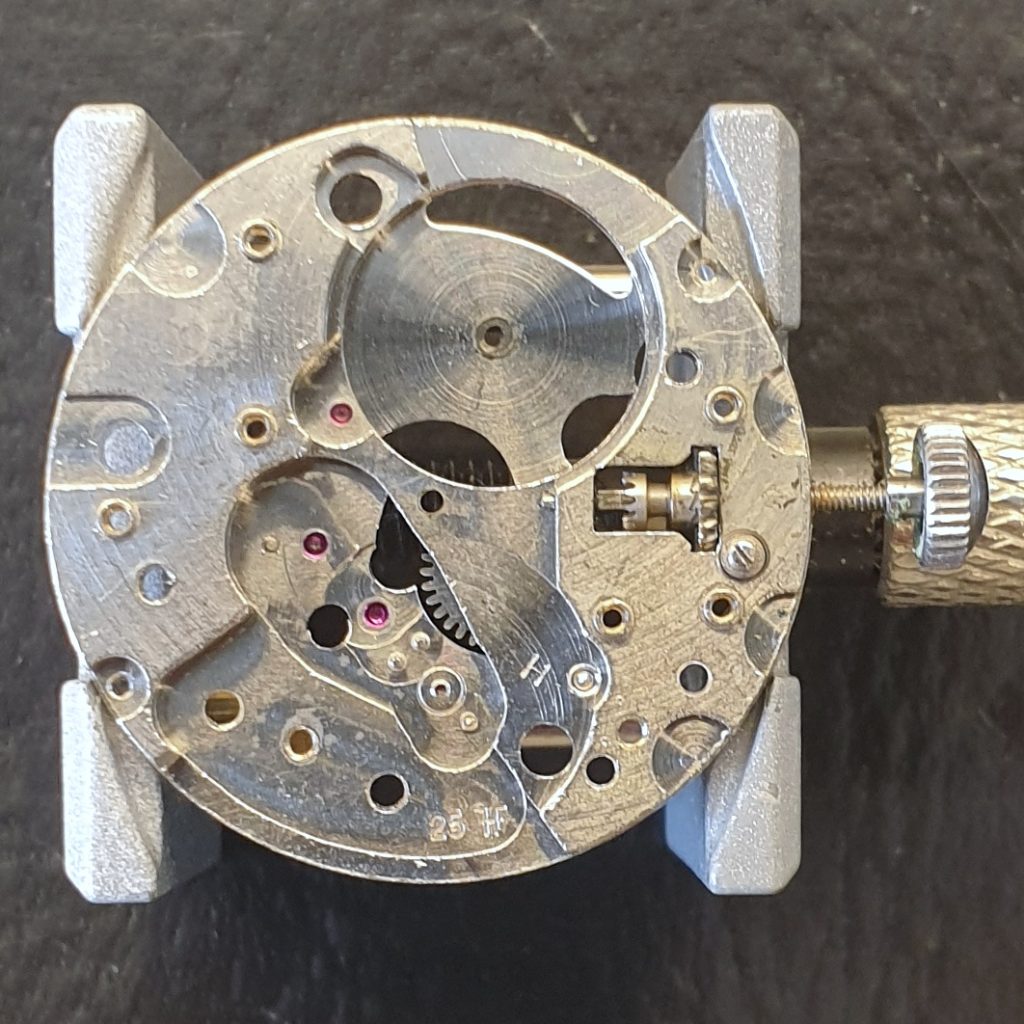
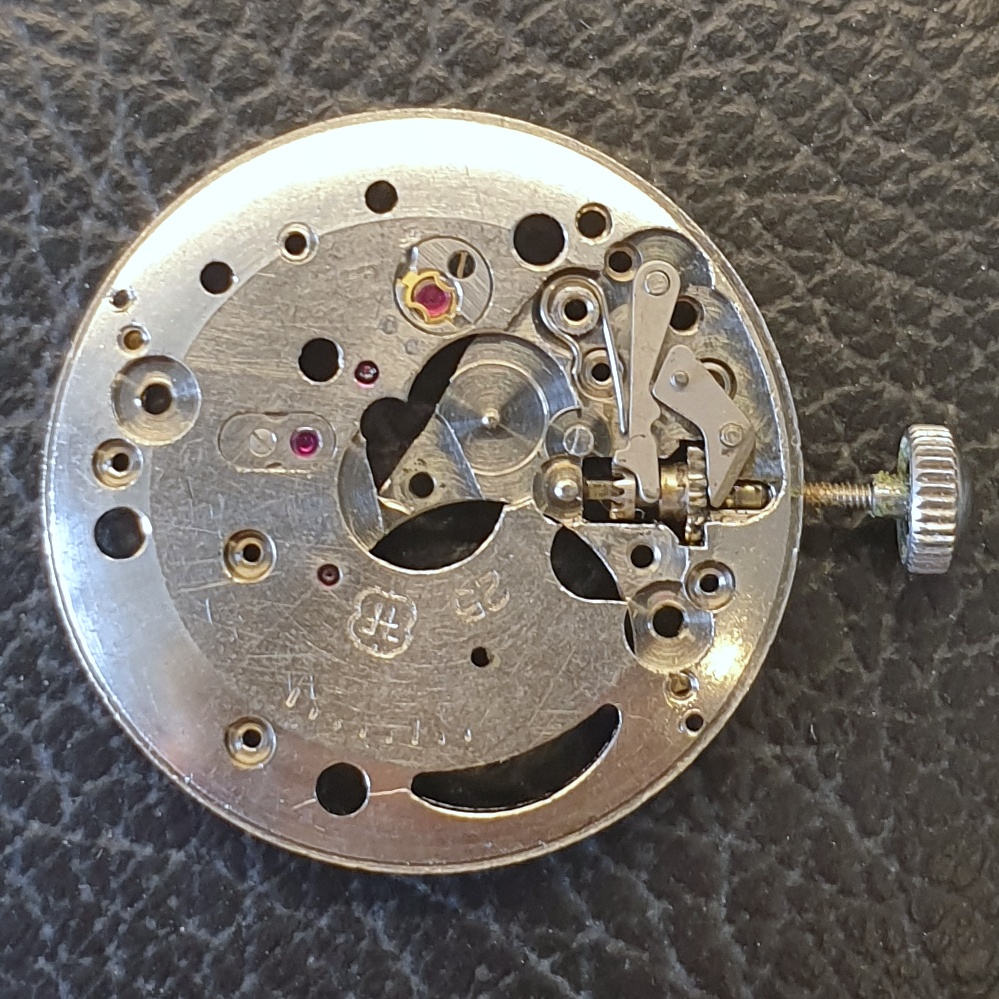
I had planned to have this watch finished by April 15 (2022), the anniversary of the Titanic sinking 110 years earlier. But other things got in the way, so I had to postpone it for a few days. When I got hold of it, it wasn’t running at all. When I tried to wind it, it felt as though the mainspring had snapped. And sure enough, it had. If we’re going to keep comparing it with the ship, you might say the boiler was broken. The Titanic did, of course, have three steam-powered engines. This watch, however, has only one “engine,” powered by a spring. If that breaks, the watch is pretty much dead in the water. Luckily, it turned out I had a new “boiler” in my little stock of parts that fit. But the movement, an FHF 25, had more problems. Even with a broken spring, you can usually get at least a few ticks out of a movement. But the escape wheel—the wheel that interacts with the pallet fork—was behaving very strangely. Sometimes it engaged with the pallet fork as it should, but most of the time it simply spun when I tried to wind the movement. That meant the pallet fork wasn’t catching the escape wheel properly. On closer inspection, I spotted the problem: one of the jewels wasn’t seated correctly. It should be parallel with the pallet fork, but this one was angled upward and was also loose. You could compare it to a boat propeller—if the blades aren’t set at the right angle, the boat won’t move forward.
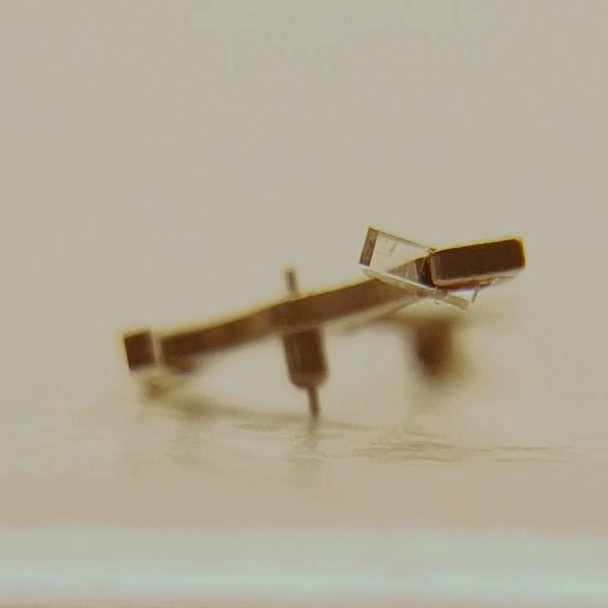
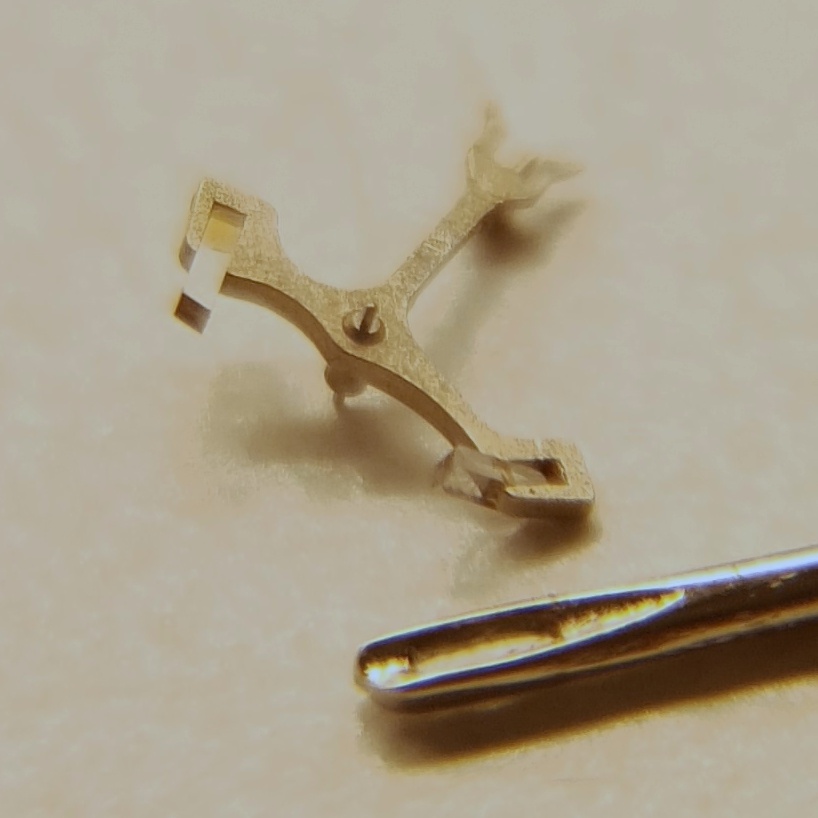
So what do you do then? Well, you have two options. Either you start hunting around the places that sell movement parts, or you use shellac to secure the jewel again. Watchmaker’s shellac comes as a block or as small brown flakes. You heat a flake until it becomes semi-liquid, then apply a tiny amount—and I really do mean tiny—to the underside of the pallet fork where the jewel is meant to sit. Next, you heat the entire pallet fork so the shellac melts a little more and flows into place. This is fiddly work, I kid you not. Take a look at the attached photo of the pallet fork. Beside it is an ordinary sewing needle. As you can see, the jewel is only about two-thirds the length of the needle’s eye. It’s also important to get the jewel positioned at exactly the right depth. This part is very much trial and error until you can see that everything is working properly. If it isn’t, you heat the pallet fork again and adjust the jewel’s position.
After turning the watch workshop upside down and still failing to find my shellac, I had to fit a different pallet fork for the time being. An acquaintance of mine had an identical movement that was willing to become a donor. But it’s only temporary, until I find my shellac. Apart from enjoying a challenge, I prefer to keep the original parts in a movement whenever possible, even if they are identical to a part from another movement of the same type. OCD? Maybe a little.
There was also some green gunk where the case back meets the rest of the case. Algae? Had this watch been lying on the seabed too? No, now I’m really exaggerating. The dial is in far too good a condition for that to be possible. In any case, the ultrasonic cleaner had no trouble getting rid of it. The watch had one more thing that needed fixing: the crystal. It was badly cracked. For a brief second, I actually considered keeping the broken crystal as a symbol of the Titanic’s fate. But no—that idea disappeared quickly. Of course the watch should have a new crystal. There was one final thing to deal with: the hands. The lume was in really poor condition. Tiny crumbs came loose almost just from touching the hands with tweezers, so I made a quick decision to remove the lume completely. Now, lume on old watches can contain radium. Yes, you read that right: radium. As long as it’s sealed inside the case, it’s not a problem, so don’t rush off and throw away your old watches just because you read this. But if you’re going to work with it, you need to be careful. In this case, that meant proper protective gloves and a high-quality face mask. You really don’t want to get any of this into your system. And on this watch, the lume did in fact contain radium. If you look at the dial from the center toward roughly the half-past-nine position, you can make out a faint mark. It’s very subtle and only visible from certain angles, but it’s there. That’s what is commonly called “radium burn.” So at some point in its life, this watch clearly sat still for quite a long time. I’ve removed lume from several watches, and I’m equally careful every time. You can apply modern lume that isn’t dangerous, but in this case I left the hands bare, giving them a slightly skeletal look. That can serve as a symbol of the Titanic, resting on the seabed more or less like a skeleton. Speaking of radium lume, I can recommend the 2018 film Radium Girls, starring Joey King among others. It tells the story of the poor young women who painted watch dials and hands with this kind of lume. Things did not end well for many of them. It’s a truly tragic story.
But at least this watch has now been given a new lease on life. If only bringing the magnificent Titanic back to life had been just as simple.