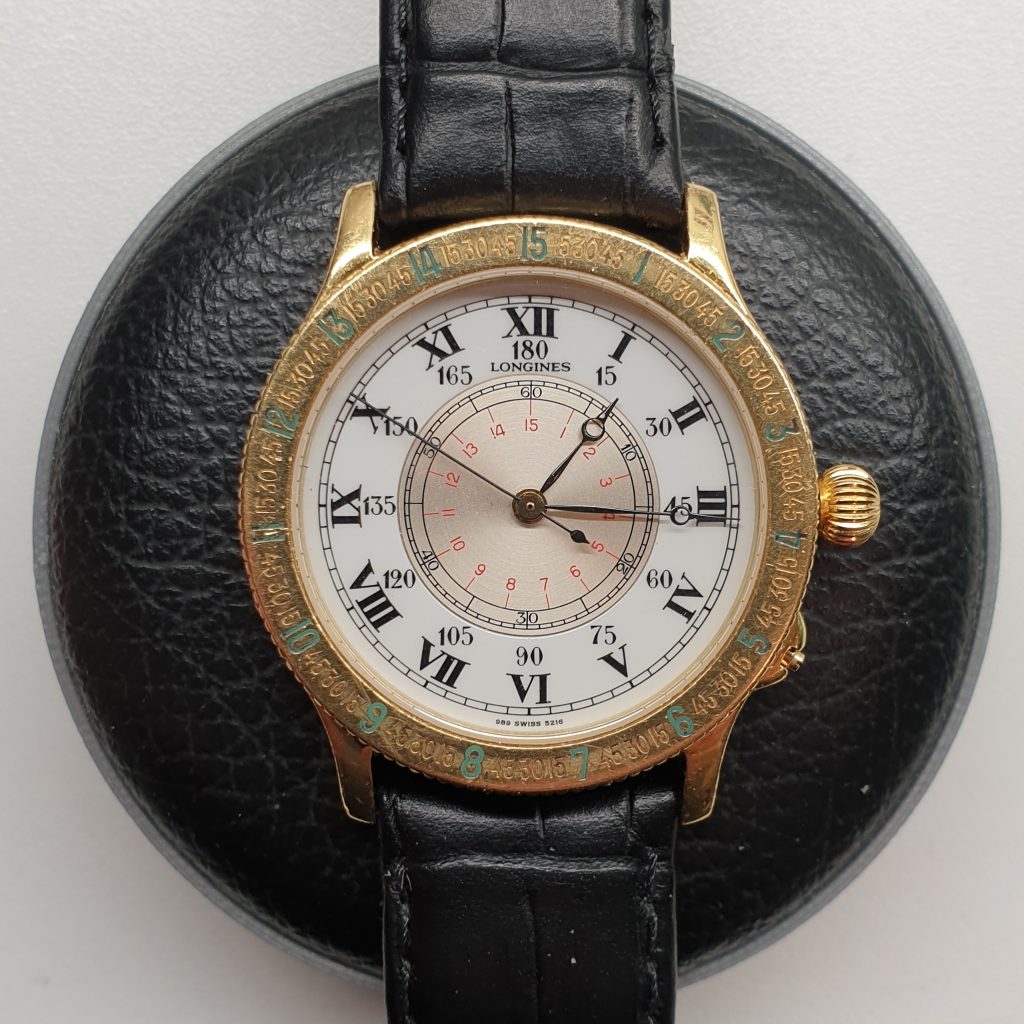
Most people probably know who Charles Lindbergh was. A nonstop transatlantic flight by plane. But probably fewer people know that he was also behind a watch being made.
But first, a bit about the flight. The journey went between New York and Paris. It lasted 33.5 hours and covered 5,800 km. It wasn’t the first transatlantic flight. But it was the first one done solo. And it was the longest. The plane, called the Spirit of St. Louis, was built specifically for this occasion and was a modified Ryan M-2. It was first named the Ryan NYP, where NYP stood for New York Paris. But it got renamed for sponsorship reasons. It had five tanks that together could hold 1,700 liters of fuel. Two of these were actually mounted in front of the cockpit itself, blocking the direct forward view. So the only way to see forward was through the slightly angled side windows. The plane also had one of the most aerodynamic shapes of its time to keep fuel consumption as low as possible. There’s a lot you could write about Lindbergh. But this is a post about a watch. So let’s smoothly steer back to that topic.
When Lindbergh made his flight, this watch didn’t exist yet. It was something he started working on after the flight. He based his work on what he had learned from US Navy officer Philip Van Horn Weems. Now, navigating with the help of a watch wasn’t new in any way. And I can recommend the film Longitude, starring Michael Gambon and Jeremy Irons among others, which tells the story of John Harrison’s nearly lifelong work to build the perfect marine chronometer. It’s really good. What Lindbergh had in mind, though, was to simplify the reading through different graduated scales. And when Lindbergh had his idea for a navigation watch, he reached out to Longines, who took to the idea. In 1931, the first Longines Lindbergh Hour Angle was released. It measured a full 47.5mm, which was considered ideal for navigation. The movement was a Longines 18.69 N.S.C., which was actually a pocket watch movement. 2,000 examples of this first series were made. In 1938, a second series of the watch was released. It had the same case but now with the Longines 37.9 N movement.
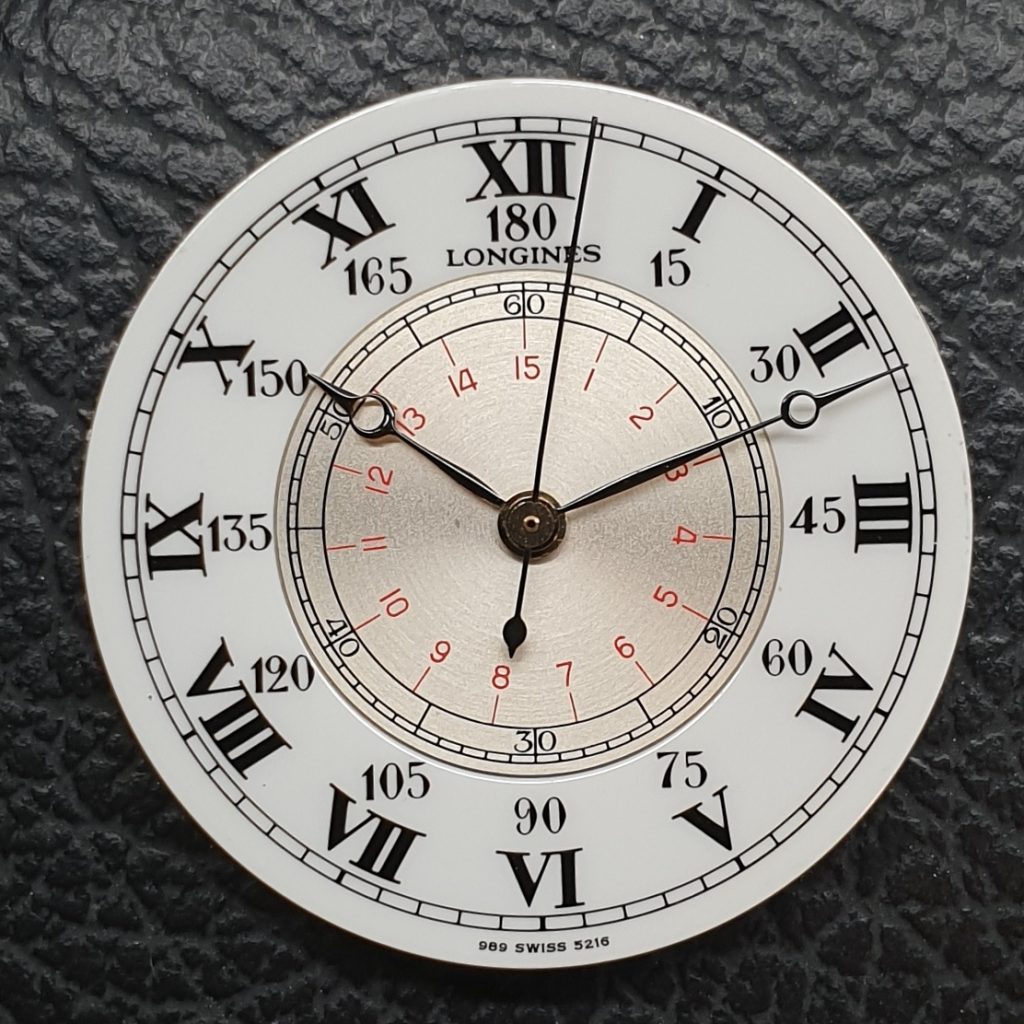
Let’s also get into how it’s meant to be used for navigation. And this isn’t exactly simple if you’re not familiar with it. Everyone knows our globe is divided into latitude and longitude. Figuring out latitude is easy with a sextant. But longitude requires more. It’s measured from Greenwich. That’s zero. So to use this watch for navigation, it needs to be set to Greenwich time. When you start your journey, you need to know how far from Greenwich you are. The dial and the bezel of this watch have several graduated scales. As we know, one full turn is 360 degrees. Translated to a full day, that means each hour equals 15 degrees. That’s the hour hand’s job. Every four minutes marks one degree — that’s the minute hand’s job. On top of that, the second hand has a precision of 1/60th of a degree. That gets you really close to your true position. For this, you use a nautical almanac. And suddenly, you’ve got yourself an ancient GPS. If you want to dig deeper into this topic, there’s plenty to read online.
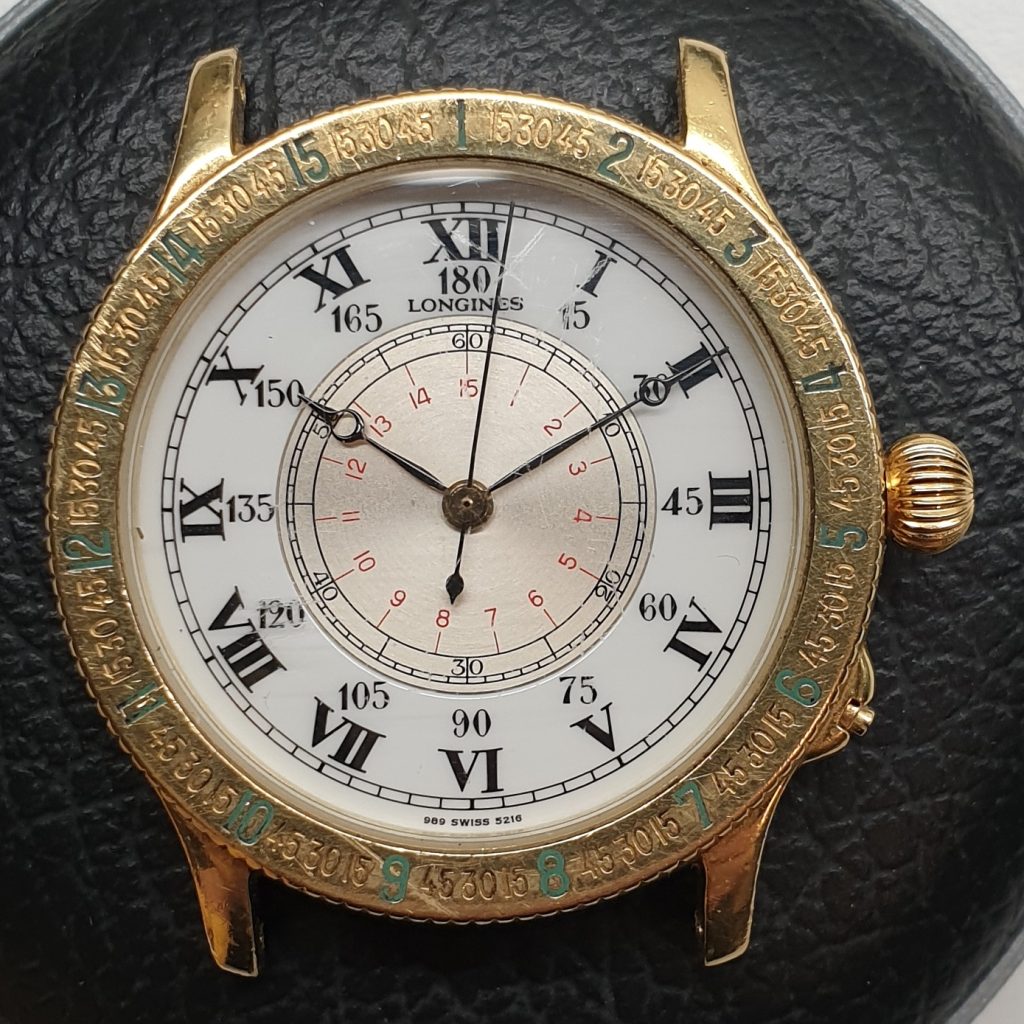
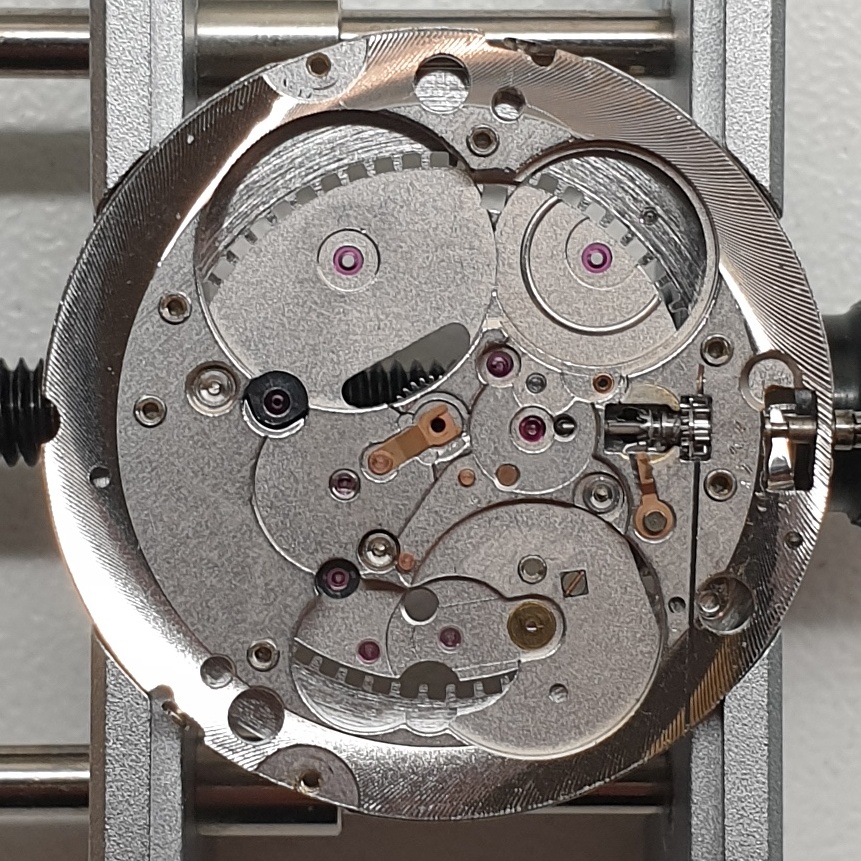
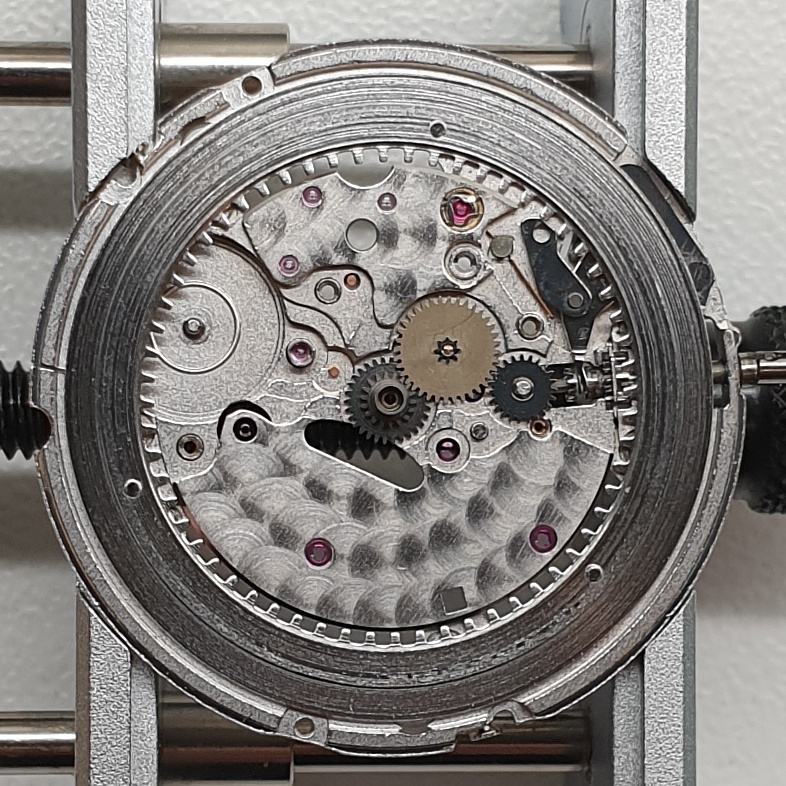
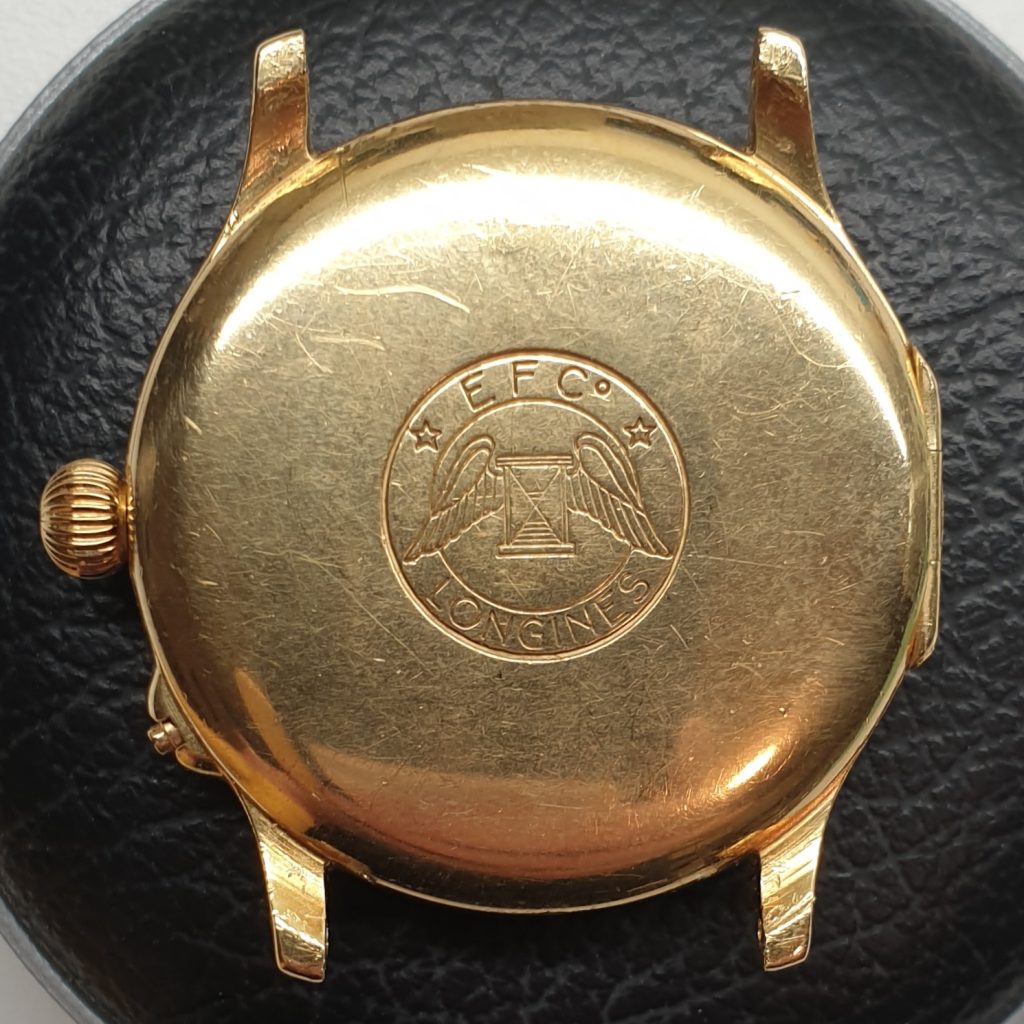
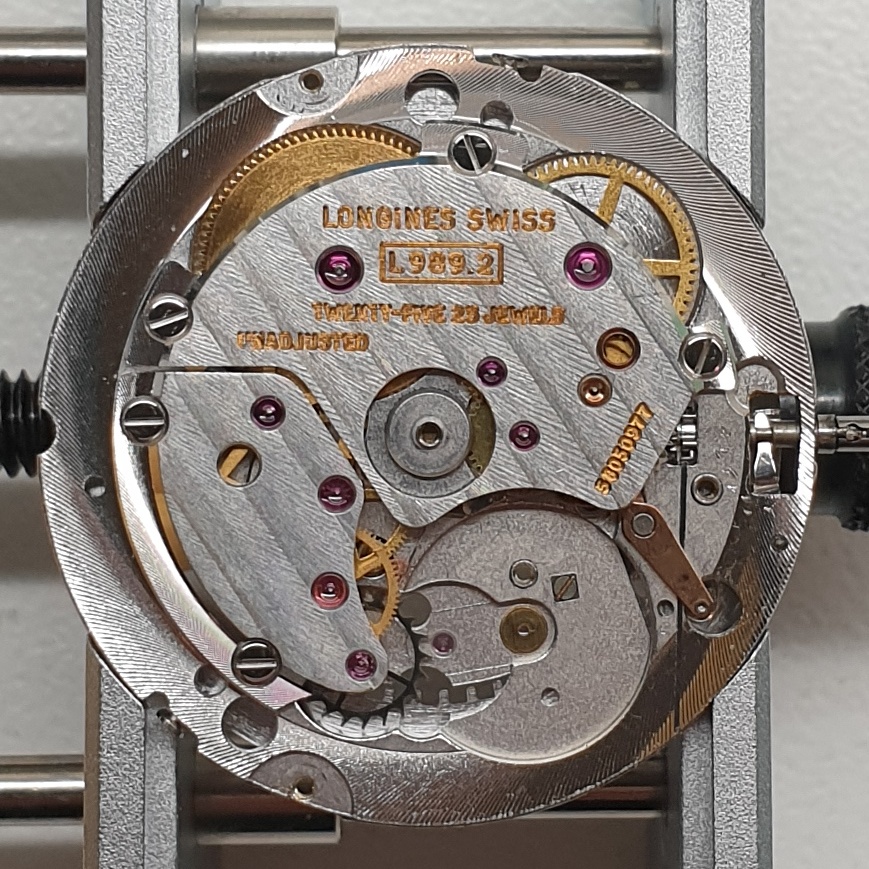
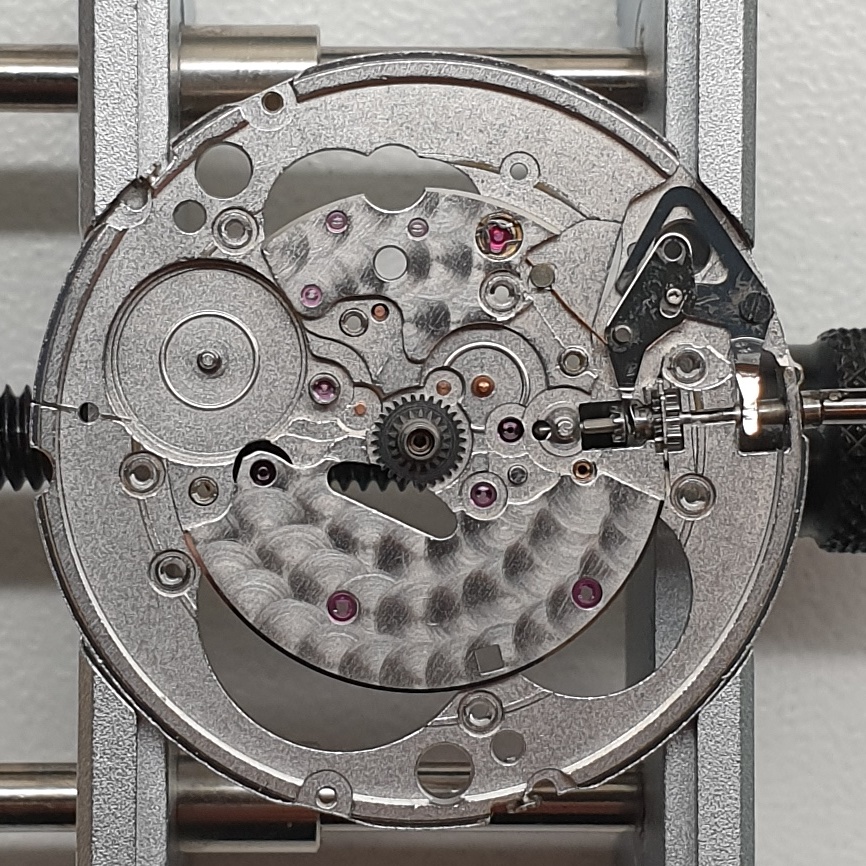
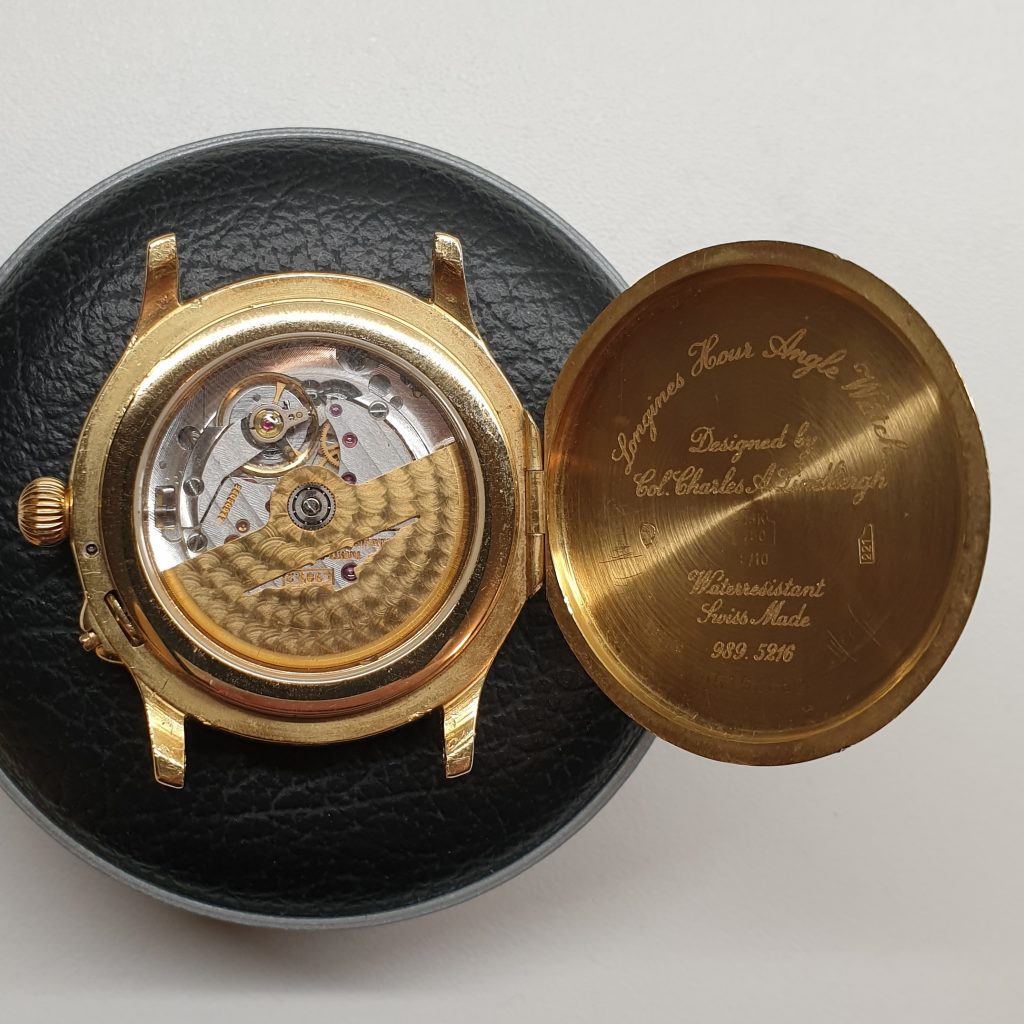
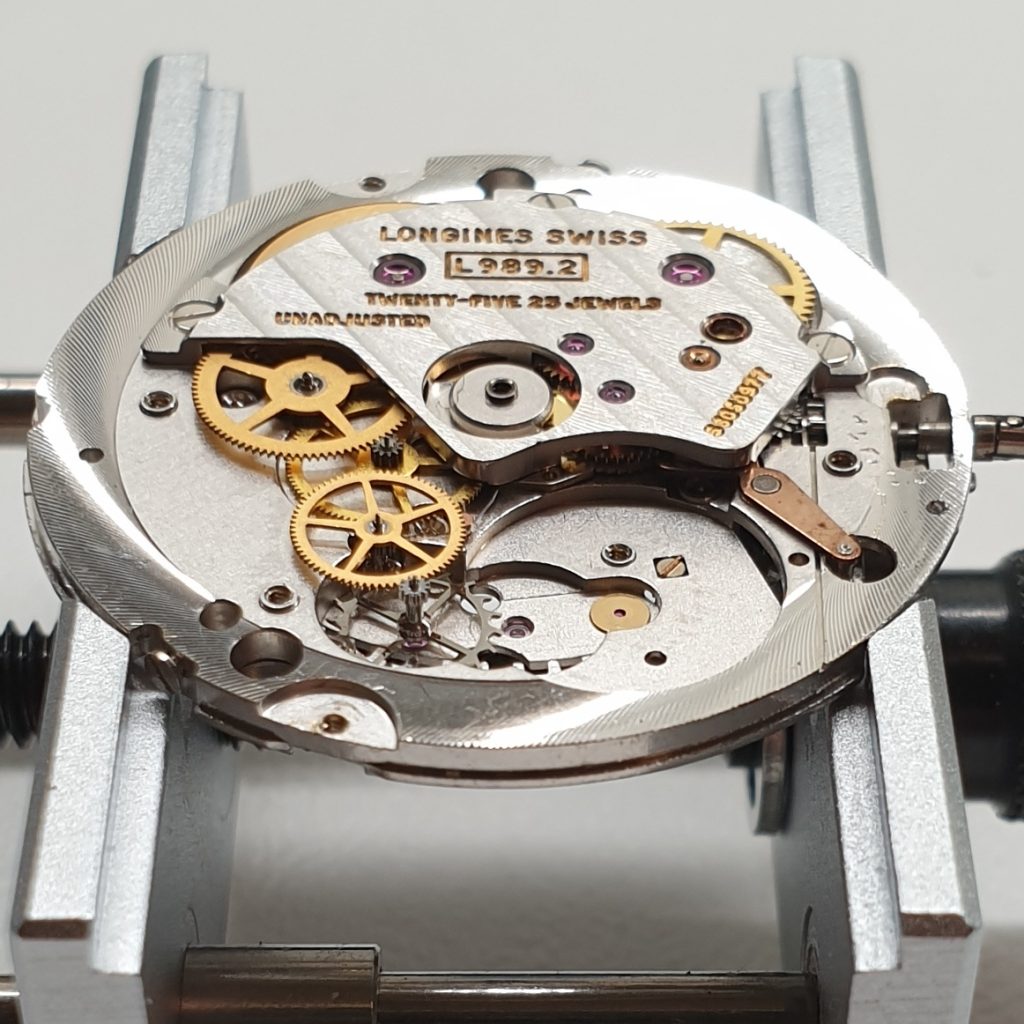
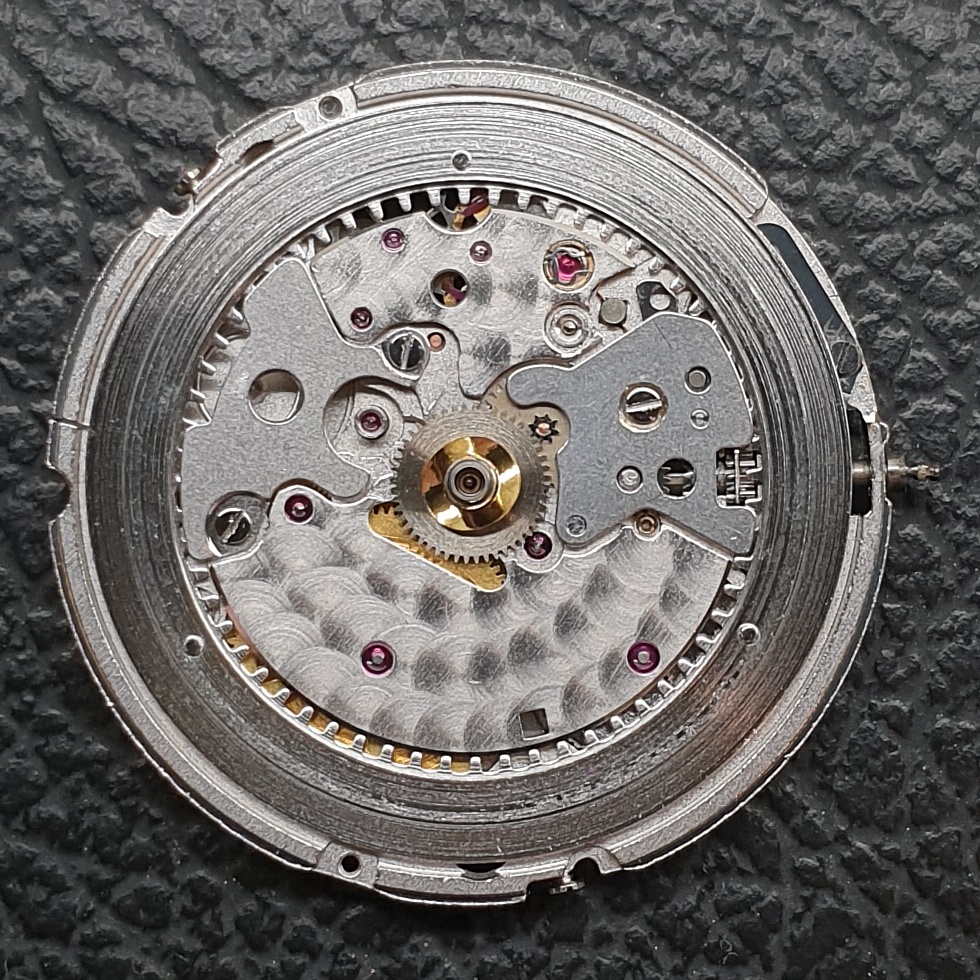
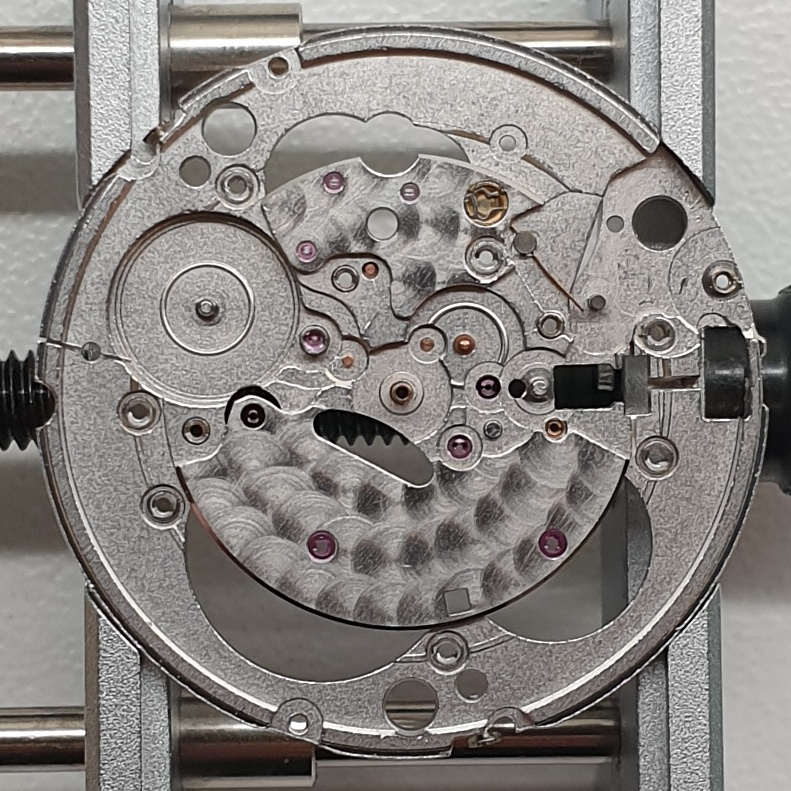
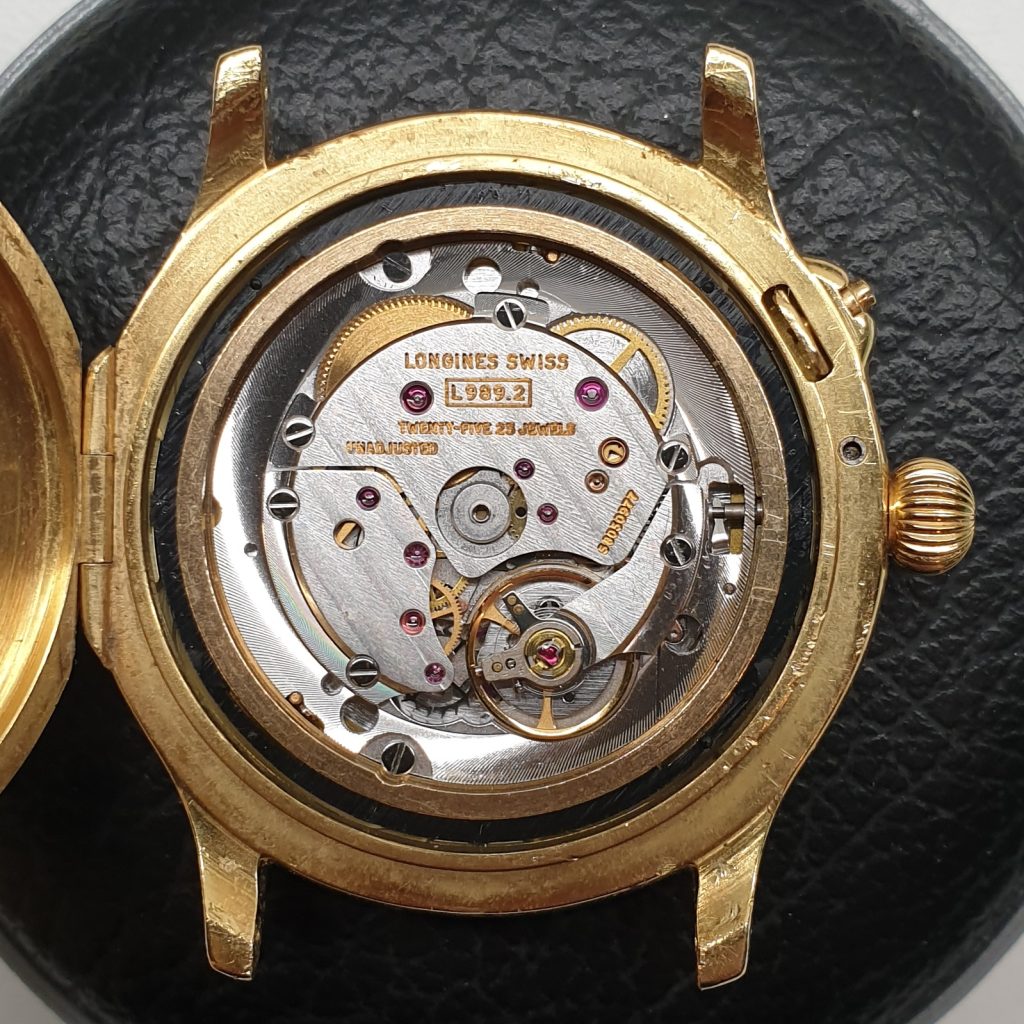
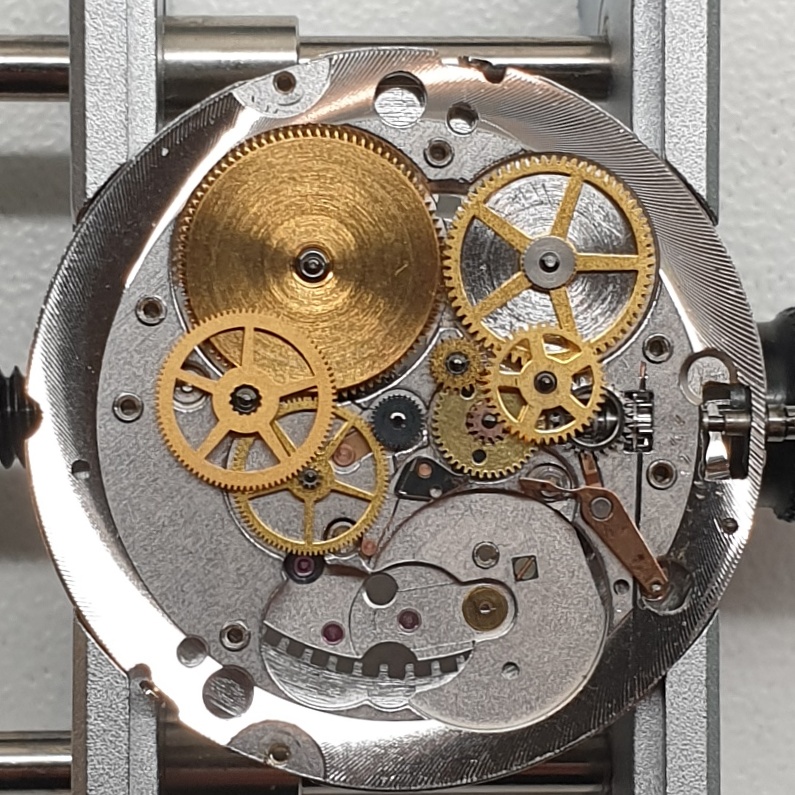
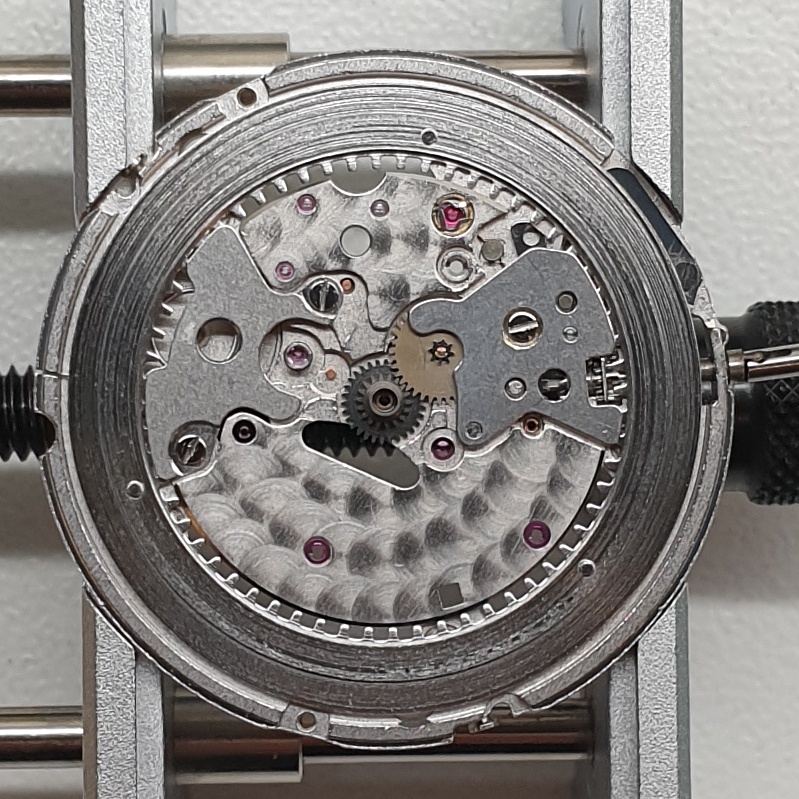
And now we finally get to this watch that was on my workbench. In 1987, the story of this watch continued, as a new series was released to mark 60 years since Lindbergh’s flight. This particular example has a gold case. The movement is a Longines L989.2, based on their L990. And they really tried to preserve the original watch’s look. One detail is the little button below the crown. On the original, this was for setting the time. You’d press the button in with your nail and turn the crown. But on this series, the button has a new function: it opens the case back. That reveals the movement through a glass caseback. Genuinely clever for keeping the original’s appearance intact. They also kept the pocket watch looking crown. What differs noticeably, though, is that this 1987 series, with its “modest” 38mm, is almost a full centimeter smaller in diameter than the original. This watch belongs to an old friend of mine, someone I got to know when I lived in a small town for a few years in the late ’80s. And when it came to me, it wasn’t running at all. Which wasn’t too surprising. One spring (one spring?) was broken near its core, where it has its inner attachment. Because this movement actually has two springs in series. This was done to make the movement as thin as possible. The L990 was the thinnest automatic movement around at the time — only 2.95mm high — and it started being produced in 1977. But it turned out the other spring was also defective. It had lost a piece of its outer end. So I had to order two new springs. And they weren’t easy to get hold of if you don’t have a direct line to Longines. But eventually it worked out. Once reassembled, the movement showed what it could do. It ran really well, with high amplitude and good timekeeping.
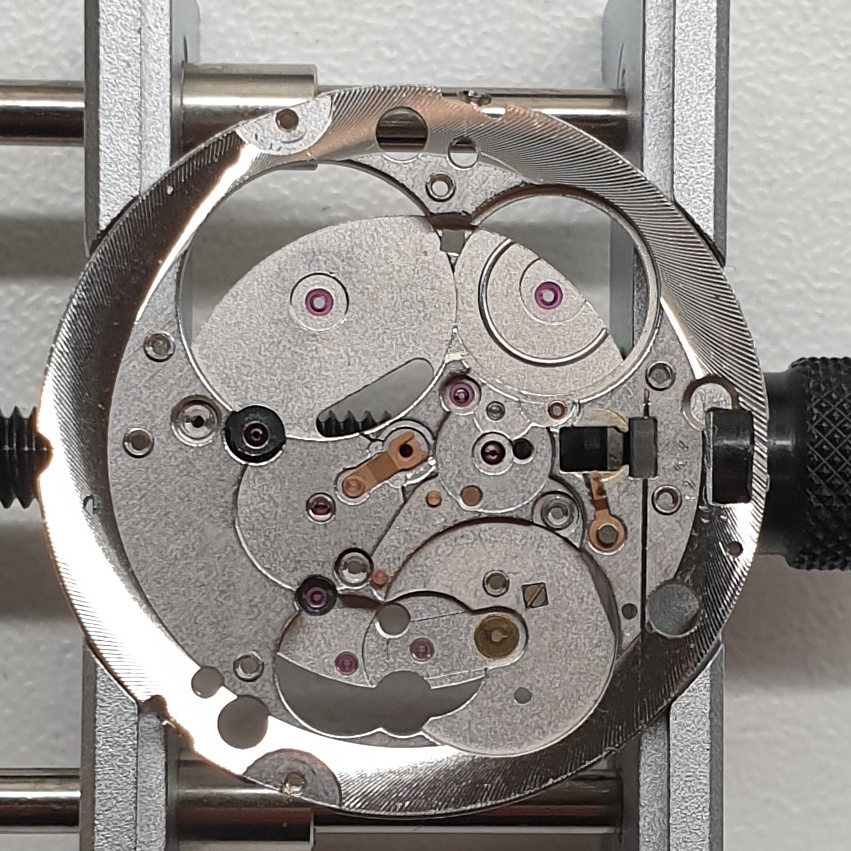
But then, suddenly, it wouldn’t start again. I quickly noticed there was no power reaching the train of wheels. It puzzled me. On closer inspection, I couldn’t spot any problem with the train. Eventually I lifted out both barrels again and opened them up. And to my surprise, one of the springs was broken AGAIN? Absolutely wild. Since they aimed to make a very thin movement, the springs ended up being very short in height — only 0.7mm tall. And only 0.07mm thick. Pretty fragile, in other words. The springs come in two different types: one for manual movements and one for automatic ones. In series, they provide more power reserve than a single one would. The difference is that the manual-movement spring is locked at its outer end, while the other one can slip at the outer edge. It has to be able to do that — because a watch that winds automatically keep winding as long as you’re moving. So once it’s fully wound, it needs to be able to slip. And it was exactly this spring that had broken again. So, another spring to order. The slipping function works by lubricating the inside walls of the barrel. On top of that, the barrel has no ledge to hold the outer end in place. So this time, I gave the barrel walls a bit more lubrication. This grease is called braking grease. It needs to lubricate but still provide some resistance. There’s a fine line to balance here in terms of how much to use. Too much, and you risk losing power reserve. Too little, and the spring won’t slip properly, which is exactly what happened here. Plus, insufficient lubrication wears down the barrel walls more. And I’ll be honest — I misjudged how much lubrication this thin spring needed. And naturally, I covered the cost of the second spring myself.
But all’s well that ends well. I lost a bit of amplitude with the extra lubrication, but it’s still perfectly fine. I also replaced the crystal, which was quite scratched up. It was a mineral crystal, which is hard to polish out. The new crystal I fitted is sapphire, which is far more scratch-resistant. And honestly, I’m a little envious of my friend, who got this watch from his buddies for his birthday. A truly wonderful gift with a historic backstory.